Revisit
Point back to the current clinic instructions and revisit a topic discussed during the appointment.
Follow-up education
Map a sequence of non-emergency education touchpoints so patients can revisit approved information, prepare for the next conversation, and find the clinic's official contact path.
Purposeful touchpoints
Each touchpoint should help patients return to approved information or prepare for a known clinic conversation.
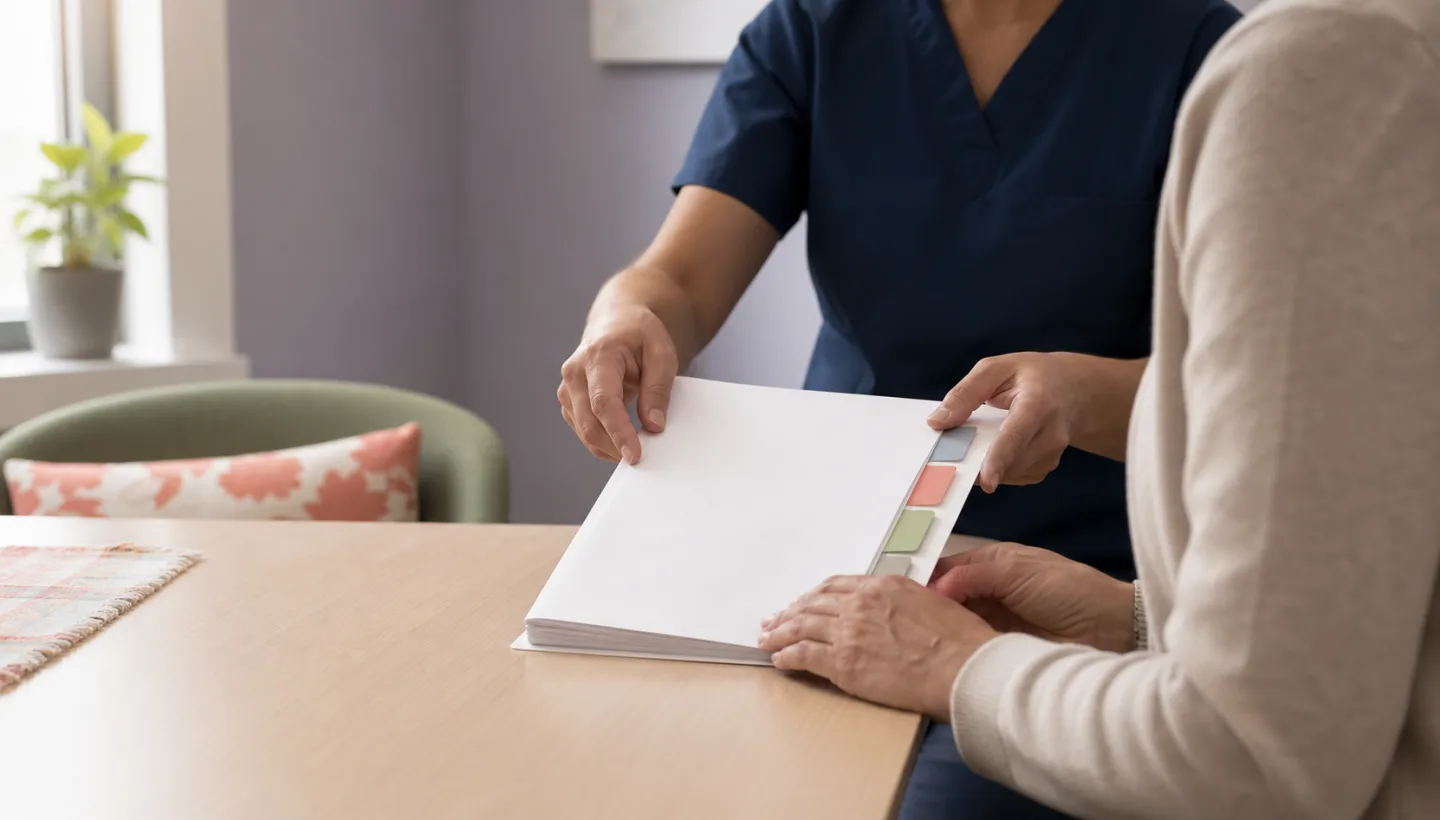
Point back to the current clinic instructions and revisit a topic discussed during the appointment.
Introduce the topic of a scheduled follow-up conversation and help patients prepare questions.
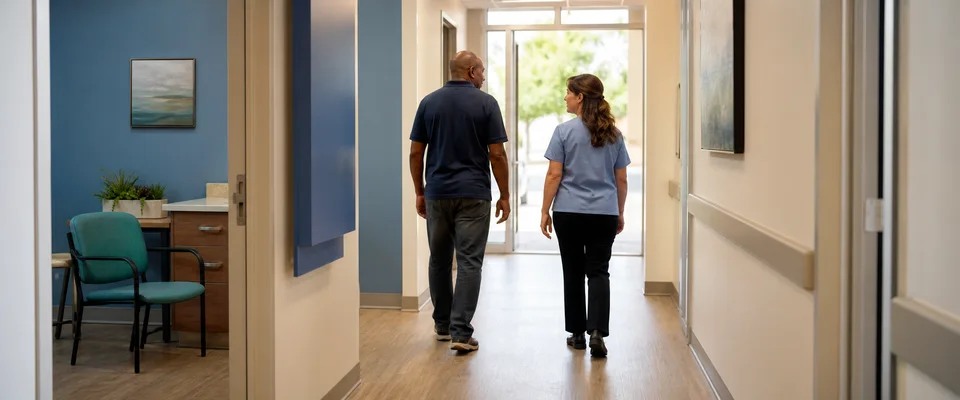
Direct people to the clinic's approved non-emergency contact path or the next education pathway.
The full sequence
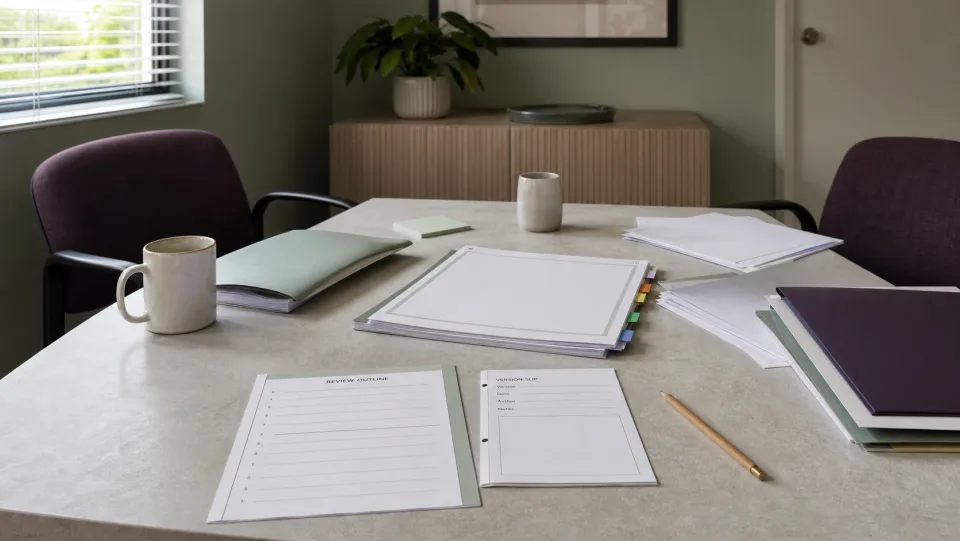
For every touchpoint, record what it is for and which source, audience, format, language, reviewers, and destination belong to it.
Clinic-defined timing, audience, and education job.
Current source and version behind the message.
Patient-facing format and language version.
Responsible reviewers and release status.
Intended channel and next review date.
Review the whole pathway
Does each touchpoint still point to the clinic's current information?
Are key terms explained the same way across video, print, audio, and language versions?
Does the patient know where the education came from and where the clinic directs questions?
Have older assets and superseded language versions been removed from the active pathway?
Education, not monitoring
This workflow is dedicated to non-emergency education. Symptom collection, patient monitoring, clinical messaging, scheduling, and delivery confirmation remain within the clinic's approved clinical and communication systems.
Follow-up questions
CareTrellis organizes the education package and intended destination. The clinic's approved communication systems handle delivery.
Clinics use their approved care and communication processes to confirm understanding. CareTrellis keeps the supporting education material and review path aligned.
Follow-up planning begins with general audience and workflow definitions. Patient-specific use belongs in a separately defined clinical, privacy, security, and technical workflow.
The care team's established urgent and emergency channels remain the correct destination for those questions.