The source changes
Clinical guidance, service details, and practice instructions evolve. Teams need to know which patient-facing materials depend on each source.
Patient education, connected
CareTrellis helps outpatient clinics and specialty practices turn approved source material into coordinated patient education—across video, visual, printable, and multilingual formats.
Built for practice administrators, nurse educators, clinical reviewers, and language-access teams.
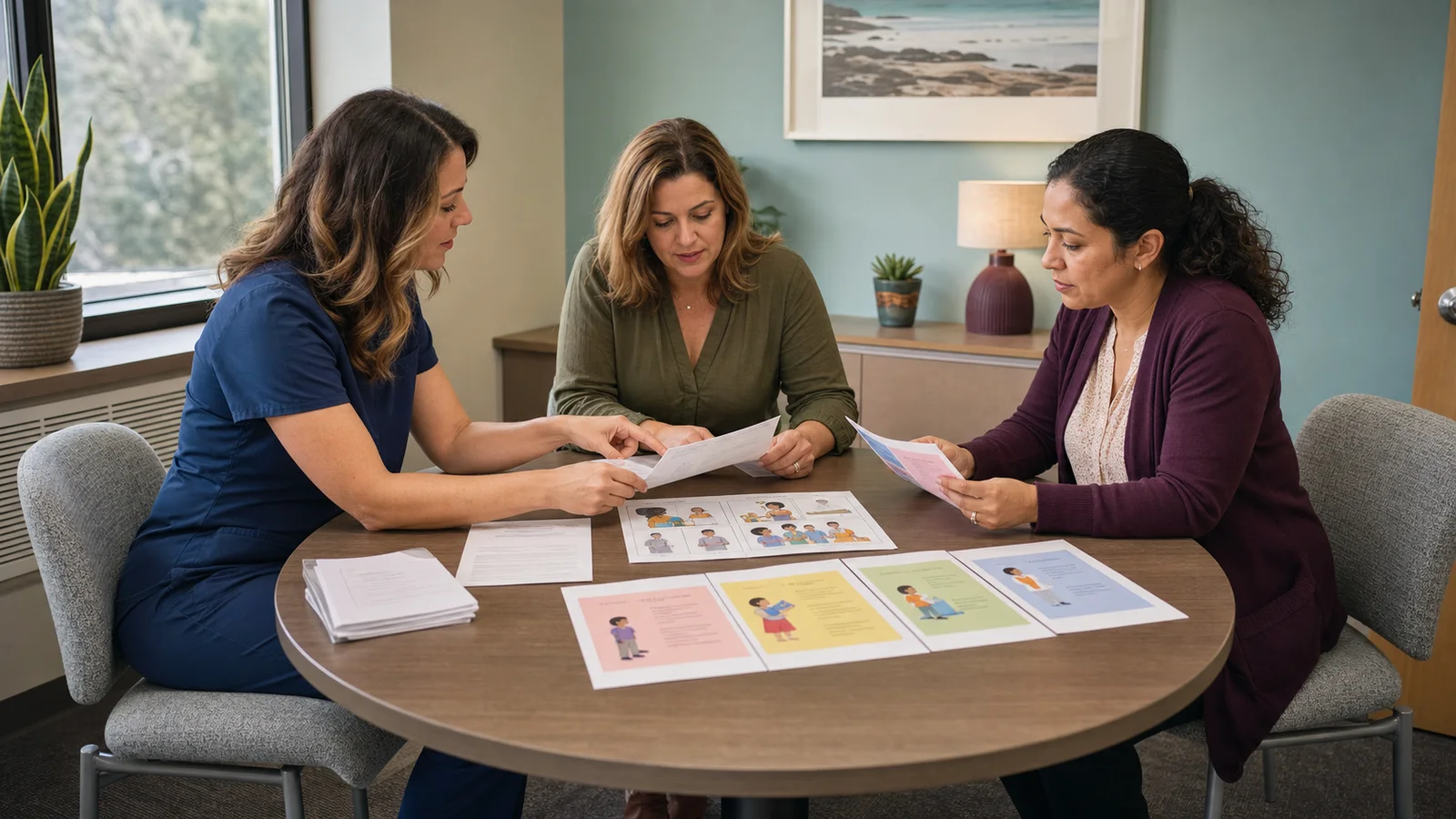
One message, many handoffs
A handout is revised. A video still reflects the old version. A translated guide has a different review owner. CareTrellis connects the source, audience, format, reviewer, and release decision.
Clinical guidance, service details, and practice instructions evolve. Teams need to know which patient-facing materials depend on each source.
Some people prefer a short video, a visual guide, a printable summary, captions, or audio. The format should support the learning moment.
Clinical accuracy, plain-language quality, language adaptation, and distribution approval are different responsibilities. Each handoff stays visible.
From source to patient-facing education
The clinic remains the source of clinical instructions and the final owner of patient-facing approval.
Start with the clinic's current handout, visit guide, approved script, slide deck, policy, or education outline.
Define when the education is used: before an appointment, during preparation, at discharge, or after the visit.
Choose the patient-facing mix—short video, visual explainer, printable guide, captions, transcript, audio, or a coordinated package.
Assign clinical, patient-education, language, and release owners to the questions they are qualified to answer.
Keep each approved language version linked to the exact source and format it came from.
Record the audience, approved version, intended channel, owner, and next review date.
Start with a real care moment
Each workflow begins with existing clinic-approved material and ends with a version the responsible team can identify and review.
Transition home
Coordinate what patients receive before leaving, at home, and at follow-up.
Before the conversation
Prepare approved terminology, context, and questions to bring.
After the visit
Give every touchpoint a clear job, source, owner, and current version.
Several voices
Keep clinical-meaning and language-quality review distinct.
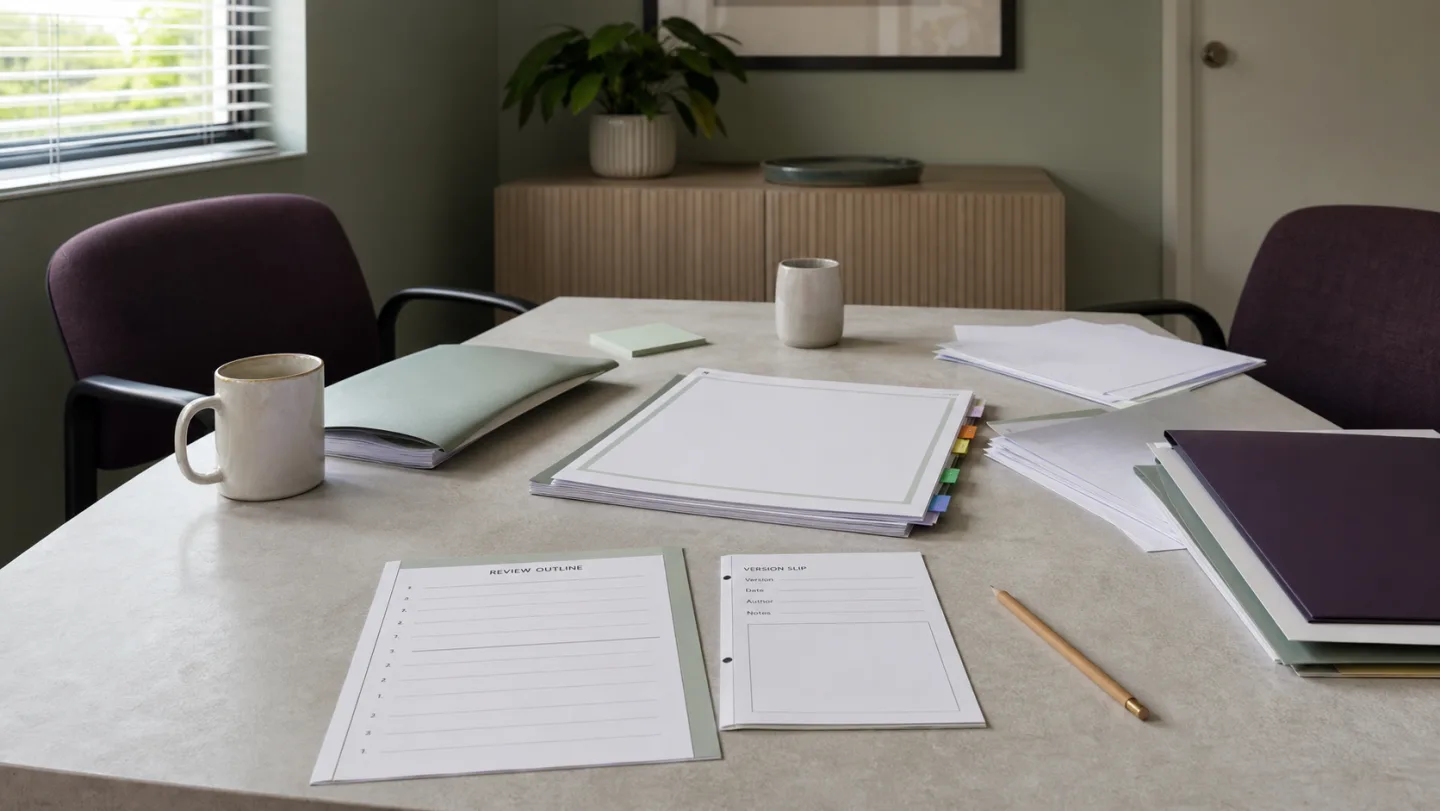
Read, watch, or listen
Plan a coordinated format set instead of treating every asset as an isolated deliverable.
Accountable review
Is the health information accurate, current, and suitable for the stated education purpose?
Is the material understandable, appropriately sequenced, and designed for the intended learning moment?
Does the adapted version preserve meaning and read naturally for the intended audience?
Does the education fit the actual appointment, discharge, or follow-up workflow?
Is this exact source, format, and language version ready for the intended channel?
Common questions
A patient-education workspace for outpatient clinics and specialty practices that keeps approved source material, formats, language versions, reviewers, and release decisions connected.
CareTrellis organizes the education workflow around information supplied and approved by the clinic. Diagnosis, treatment recommendations, and patient-specific instructions remain with the responsible care team.
Yes. Begin with a clinic-approved handout, script, slide deck, visit guide, or content outline and identify its current source and owner.
Each topic uses the formats that match its education purpose and patient context.
Prepared education works alongside live interpretation. Qualified language assistance remains essential for real-time clinical communication.
CareTrellis planning begins with content and review operations. Electronic health record and patient-portal requirements are handled as a separate technical and data-governance workstream.
A practical first step
Choose a frequently used topic. Map the source, formats, care moments, languages, and review roles around it.